Surface Finishes - The Complete Guide
Why finish choices matter
Finish is not decoration. It is protection, grip, brand feel and service life. The same enclosure can look premium or bargain based on a single texture. The wrong finish will chip on first contact, corrode after one winter, or reject the label adhesive you specified. The right finish makes assembly simple and the product feel like it belongs in the world.
Surface preparation
Every good finish starts with clean, uniform surfaces. We remove oils with alkaline degreasers or ultrasonic baths, then choose a prep that matches the final coat. For powder and paint we scuff or blast lightly to give tooth. For anodize we prefer uniform grain or a controlled bead blast. Masking is a project of its own - ground points, bearing bores and thermal interfaces get protected so the finish only goes where it helps.
Sandblasting and media blasting
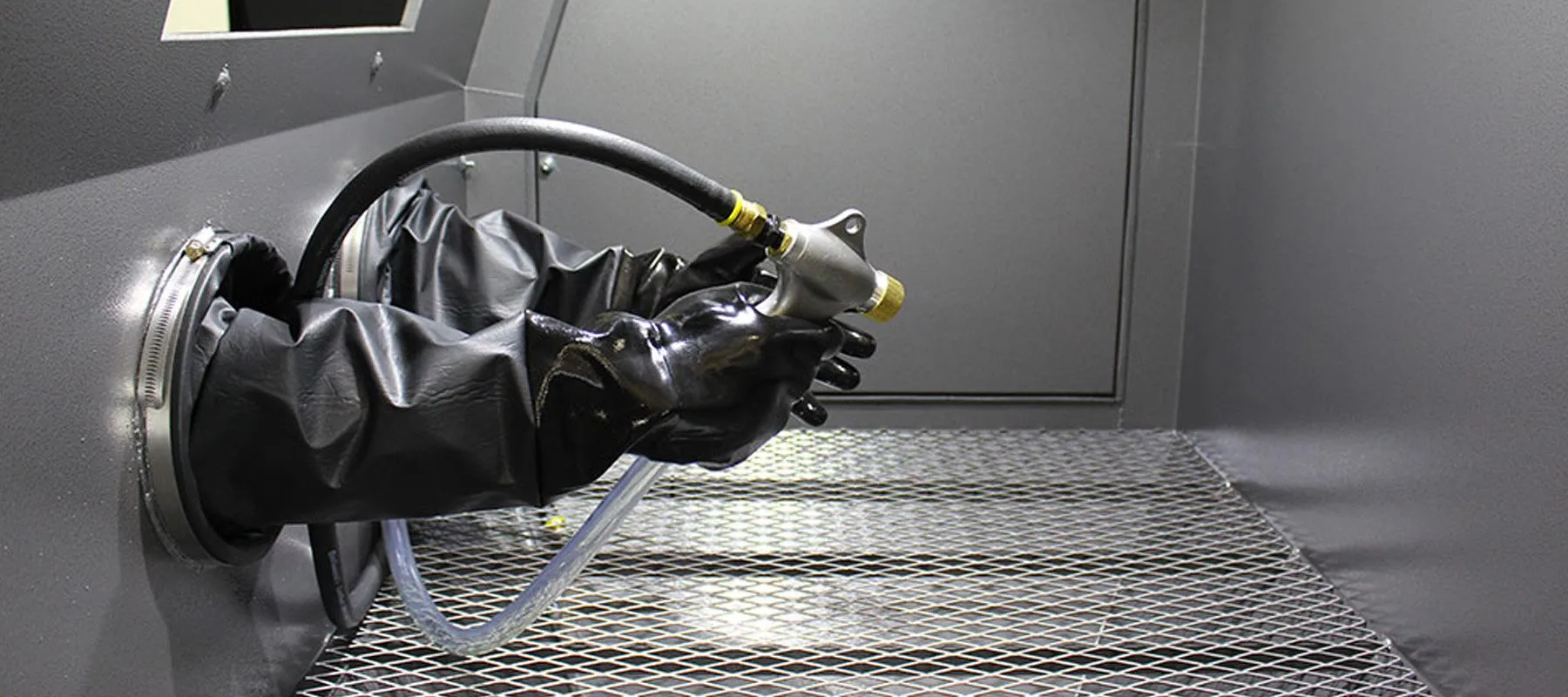
Blasting is not one thing. The media, pressure and angle control how the light scatters. That is why two bead blasted parts can look completely different. We use different media for different jobs:
| Media | Effect | Where we use it | Watch outs |
|---|---|---|---|
| Glass bead | Satin, non directional | Aluminum before clear anodize or dye | Softens edges, can close very fine threads |
| Aluminum oxide | Aggressive, sharp tooth | Prep for powder on steel and aluminum | Can embed grit, mask bearing and threads |
| Garnet | Clean cut with less dust | Stainless prep where oxide is stubborn | Still abrasive - protect cosmetic faces |
| Walnut shell | Gentle clean | Remove paint from soft metals without profile | Low tooth - not ideal as a powder base |
For anodize, a fine glass bead makes a beautiful matte that hides fingerprints and gives color depth. For powder, aluminum oxide builds tooth so the coat anchors. For stainless, we often use a uniform glass bead for a soft sheen that reads premium without a coating.
Powder coating
Powder is durable and forgiving. The powder is sprayed electrostatically, then baked. It melts, flows and cures into a hard film. Color selection is huge and textures range from fine sand to heavy orange peel. Pre bake aluminum to drive out trapped volatiles so the film does not pinhole. Always provide grounded contact points - coaters need metal to metal contact.
Masking matters. We design the part so critical faces do not need a dozen plugs and caps. We add hidden carry tabs so the hanger never touches the cosmetic face. Common defects include thin coverage on edges, fat build in inside corners, and fisheyes from oil. Good drawings prevent those before the rack is even loaded.
Anodizing
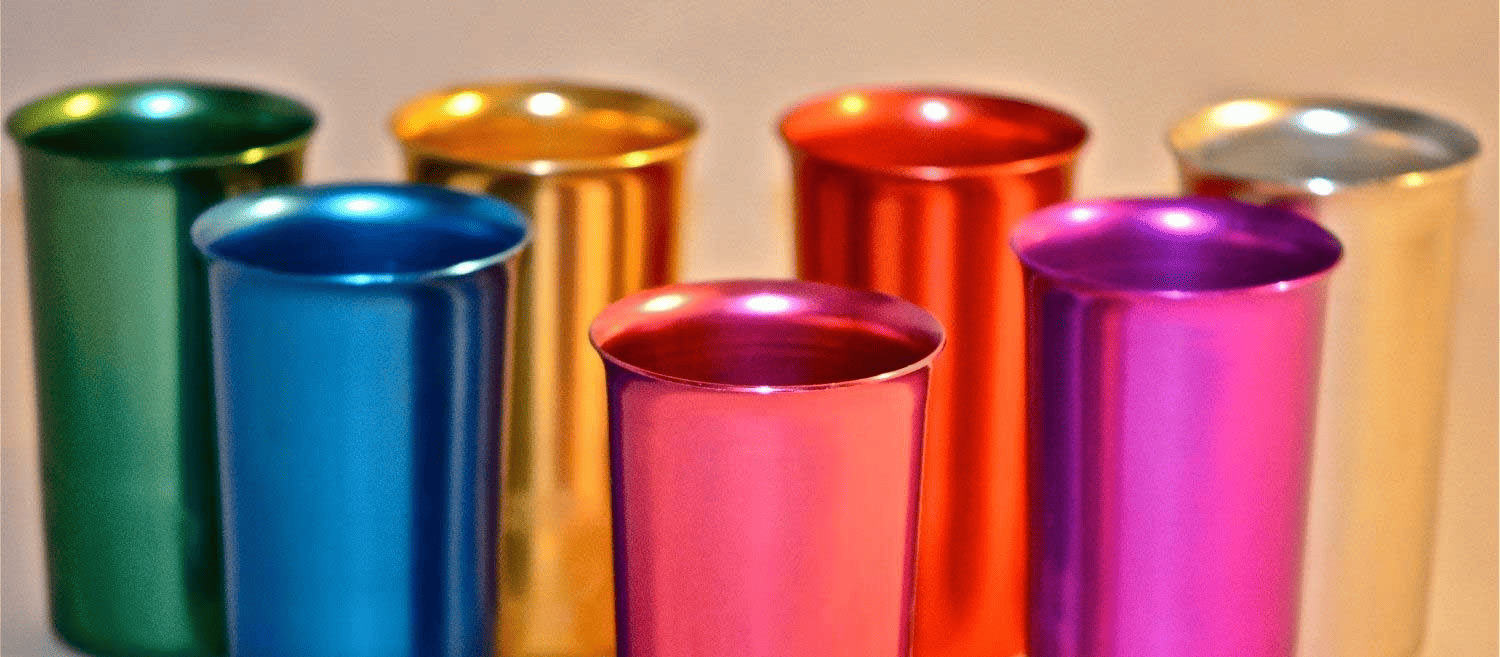
Anodize grows a hard aluminum oxide on the surface. Type II is decorative and takes dye well. Type III is thicker and harder for abrasion and wear. Finish is set before the tank - brush, grain or bead blast defines how light plays through the oxide. Dyeing adds color, sealing locks it in. For clear anodize on machined parts we match cutter step over to the final look - tight step over for gloss, controlled bead for matte.
Call out critical dimensions post anodize if tolerance is tight. The layer adds thickness. Plan for good electrical contact points in the rack and accept that tiny witness marks will exist where the rack holds the part.
Plating and chroming
Plating puts a metal on top of your metal. Nickel is the classic barrier and cosmetic layer - bright, satin or dull depending on the process. Zinc is the corrosion soldier for steel, often with chromate passivates in clear, yellow or black. Copper is a leveling layer that can give a deep warm tone by itself or under nickel and chrome. Chrome can be decorative or hard. Decorative chrome is about mirror and depth. Hard chrome is about wear surfaces and low friction.
Plating loves clean, smooth base metal. It will mirror your prep defects. On cast parts we often machine a cosmetic face after blasting so the nickel looks like glass instead of orange peel.
Chemical and oil based finishes
Black oxide converts the steel surface to magnetite. It looks great and preserves dimensions, but needs oil or wax to resist rust. Passivation on stainless removes free iron and improves corrosion resistance without changing appearance. Oil-phobic and anti fingerprint coatings are thin films that repel oils and water. They keep satin finishes clean in the real world. Chromate conversion on aluminum provides conductivity and corrosion resistance and is a good base for paint.
Wraps, films and PVD
Decorative wraps can give textures that coatings cannot - carbon weave, leather grain, brushed metal. They are fast to iterate and easy to replace. Edge management and heat form skill matter for durability. PVD - physical vapor deposition - deposits an ultra thin hard coating in colors from graphite to gold. It rides on your prep quality and is excellent on stainless for wear and premium look without thick paint.
3D print finishing
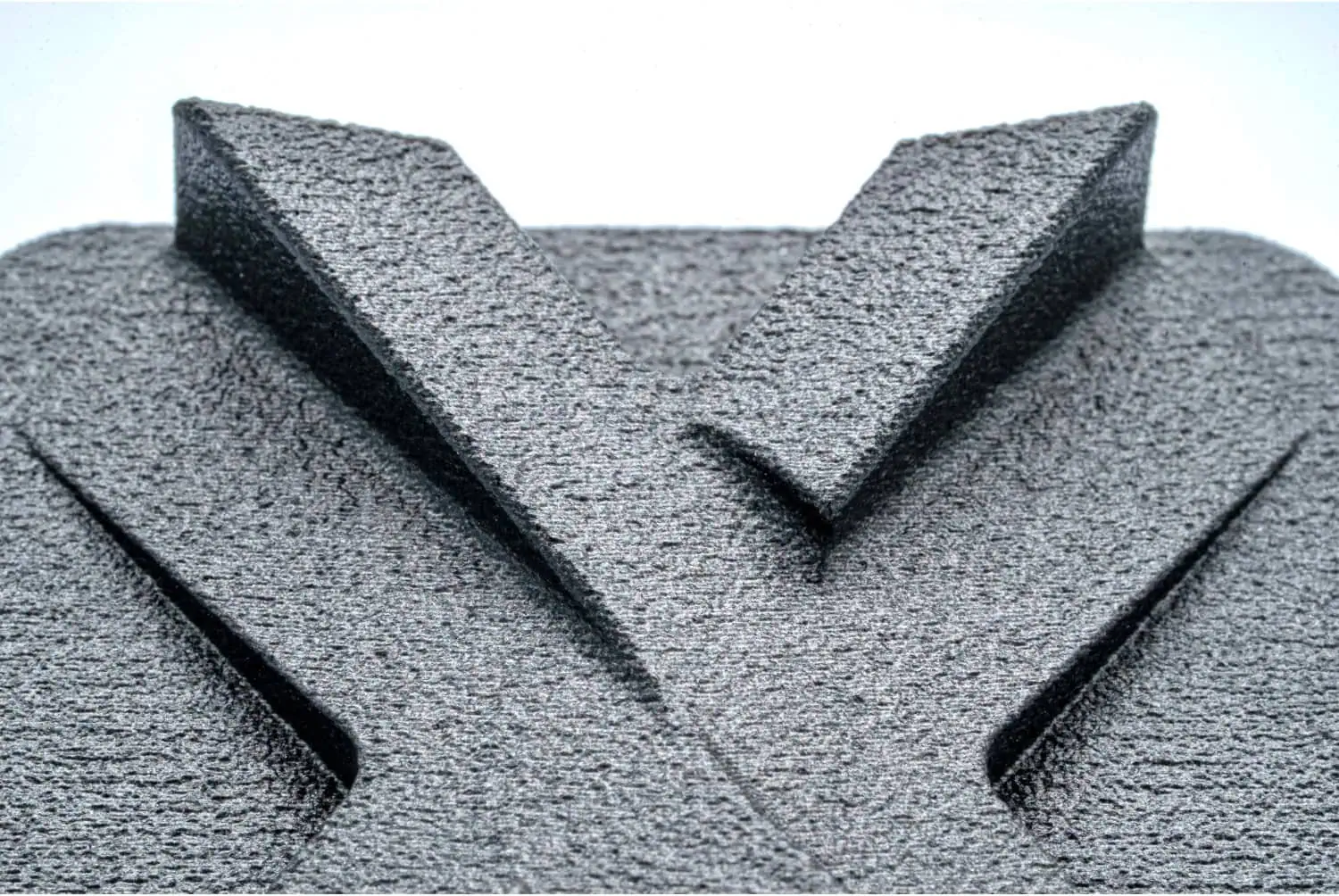
Printed parts have their own ecosystem. FDM shows layer lines. We sand, spray filler primer and sand again, or vapor smooth ABS with acetone in controlled setups. SLA is crisp but brittle in some resins - wet sand, UV post cure and clear coat if it needs a cosmetic pop. SLS and MJF nylon have a matte porous surface - dye takes beautifully and a seal coat makes it richer. For production prints we sometimes media tumble to soften the grain before dye.
How to choose the right finish
Start with environment, then brand feel, then assembly. Outdoors with salt and sun - think powder on steel, anodize on aluminum or stainless with a bead finish. Medical wipe downs - pick coatings that survive alcohols and quats. If hands touch it daily, avoid mirror unless you love fingerprints. Plan ground paths and masked threads in the design so you do not fight the coater. Prototype the finish on a coupon before you cut a tool for an enclosure. Lock the look early so photography and CMF do not change under your feet.
| Finish | Durability | Look | Best on | Notes |
|---|---|---|---|---|
| Powder coat | High | Matte to texture | Steel, aluminum | Great for enclosures, easy color control |
| Type II anodize | Medium | Clear or dyed, matte to gloss | Aluminum | Shows the prep - bead for satin, polish for gloss |
| Type III anodize | Very high | Matte, dark | Aluminum | Wear parts, minimal color range |
| Nickel plate | High | Satin to mirror | Steel, brass | Great barrier, beautiful decorative effects |
| Zinc plate | Medium | Clear to yellow to black | Steel | Economical corrosion protection |
| PVD | Very high | Gloss metallic colors | Stainless | Premium wear resistant finish |
| Black oxide | Low alone - higher with oil | Matte black | Steel | Dimensional stability, needs post oil |
| SLS dye and seal | Medium | Rich matte | Nylon prints | Great for production printed housings |
Case notes from the shop
Show prop that had to read premium under stage lights - we glass beaded stainless for a soft, even sheen, then PVD coated it in a warm titanium tone. No fingerprints, no glare, and it looked expensive from every angle.
Wearable enclosure with color that had to match a strap - we bead blasted and clear anodized aluminum, then custom dyed to a Pantone target. The bead gave depth and hid minor handling marks.
3D printed control knobs for a short run - MJF nylon tumbled, dyed deep black and sealed. They looked production ready and felt right in the hand without paint.
FAQ
Why blast before anodize - It evens the surface so light scatters uniformly and dye looks deeper. It also hides handling marks that would telegraph through a clear coat.
Can I powder over zinc plate - Yes with proper bake and prep, but usually we pick one. Too many layers can chip at edges.
How do I keep threads clean - Use masking caps or design standoffs that keep the coat away from threads entirely. PEM hardware solves this for sheet parts.
What finish hides fingerprints best - Fine bead blasted stainless, fine texture powder, or satin anodize. Mirror is beautiful but high maintenance.